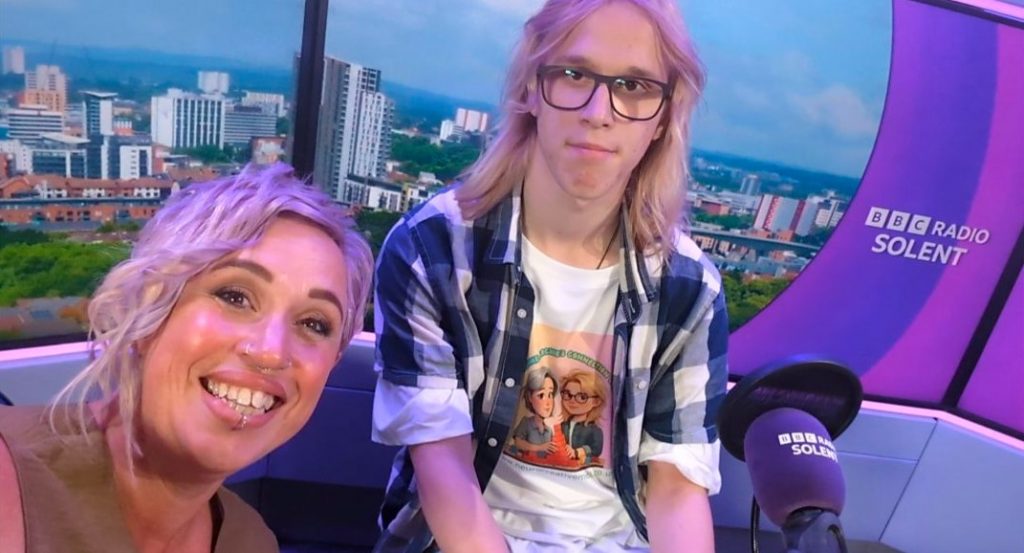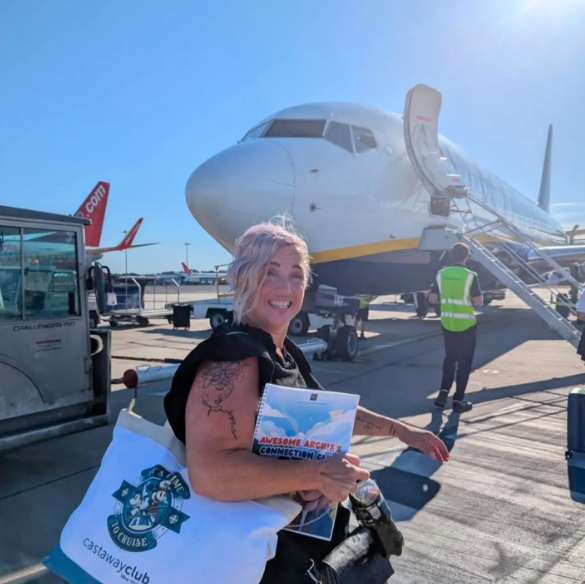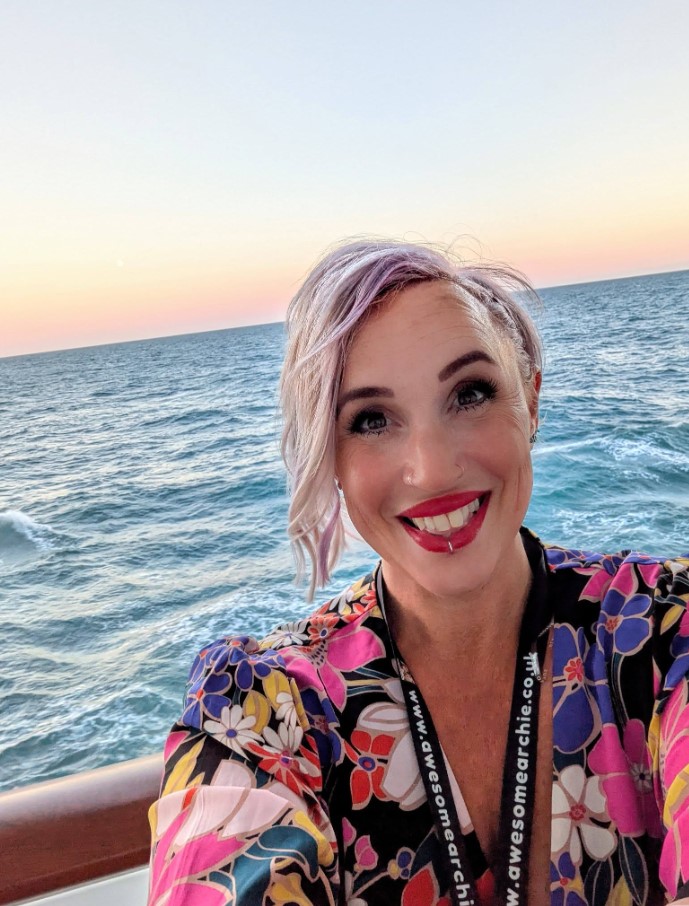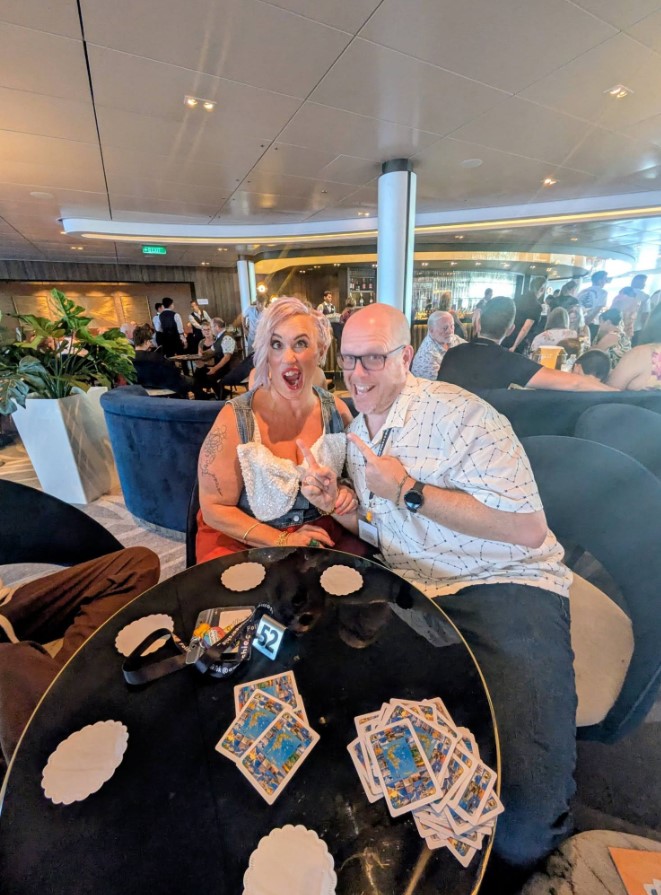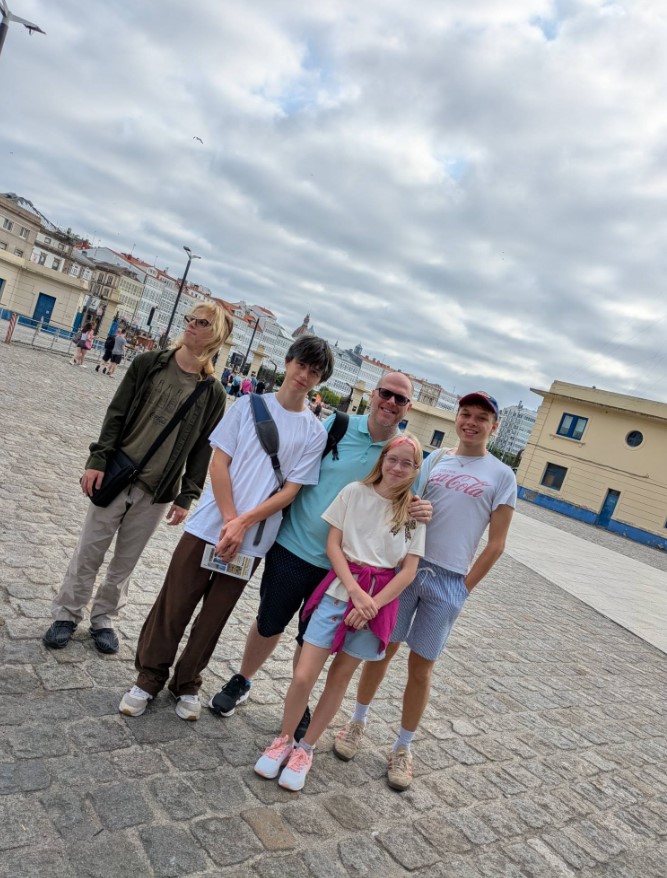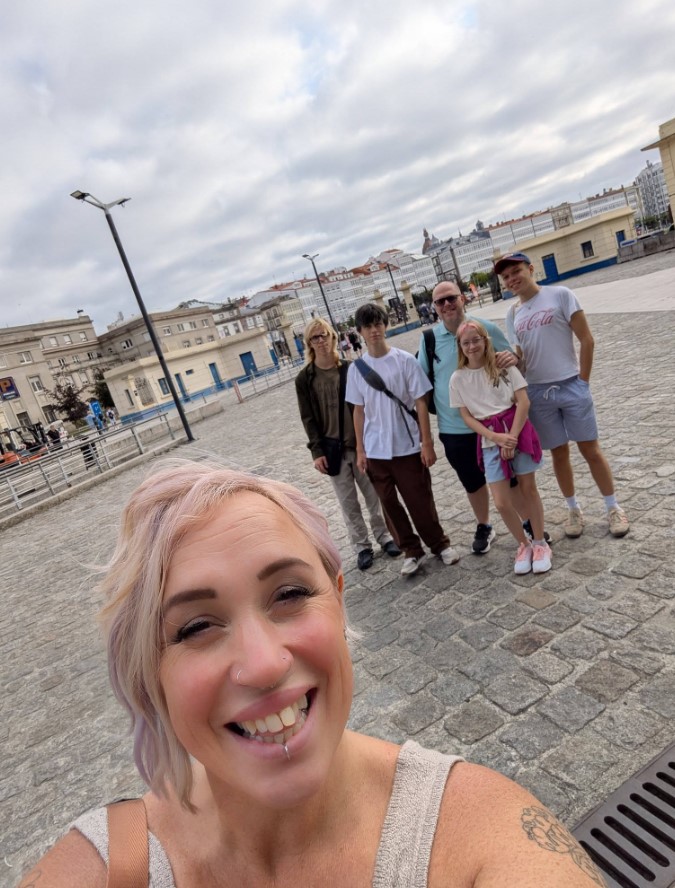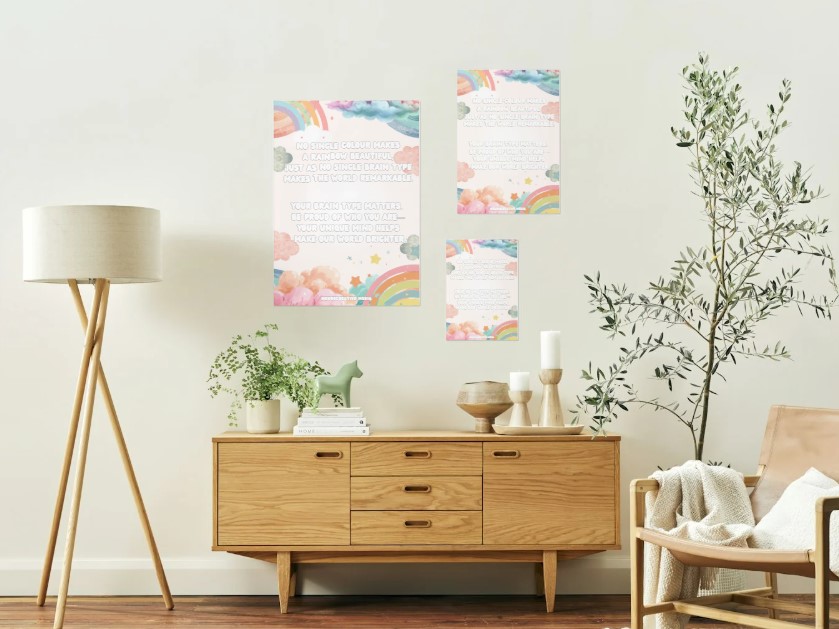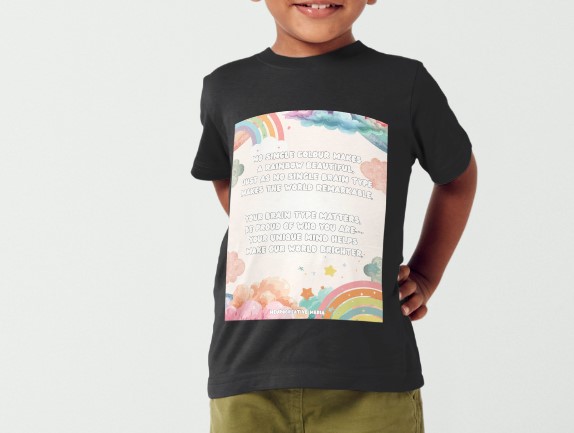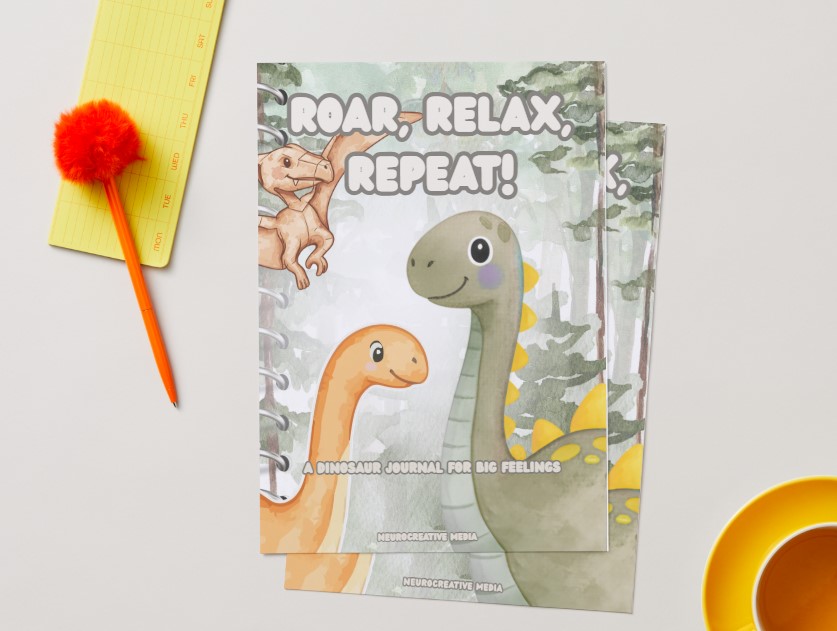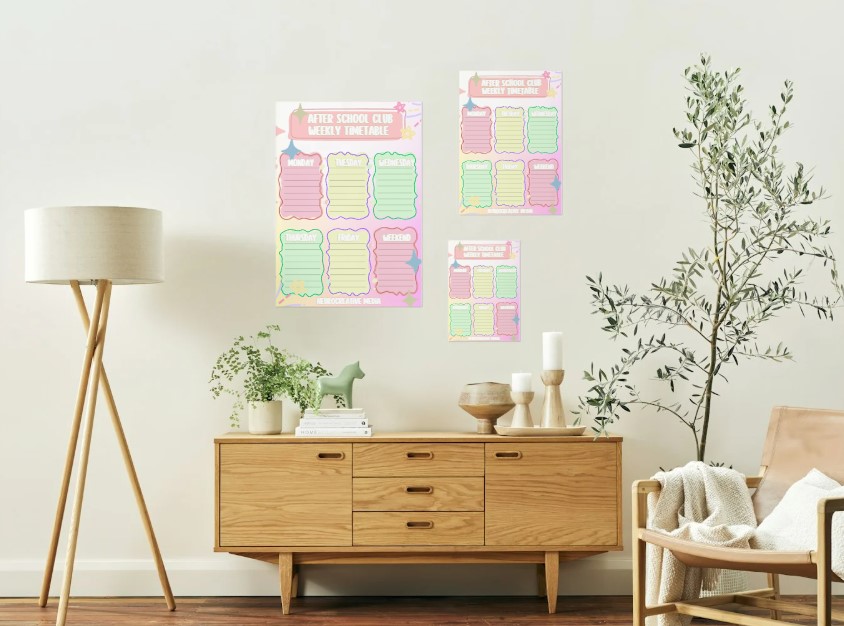
Celebrating neurodiversity this Autism Awareness, Acceptance & Celebration Month!
Today feels like the perfect moment to share something we’ve been co- producing with enormous care, creativity, lived experience and a whole lot of heart…
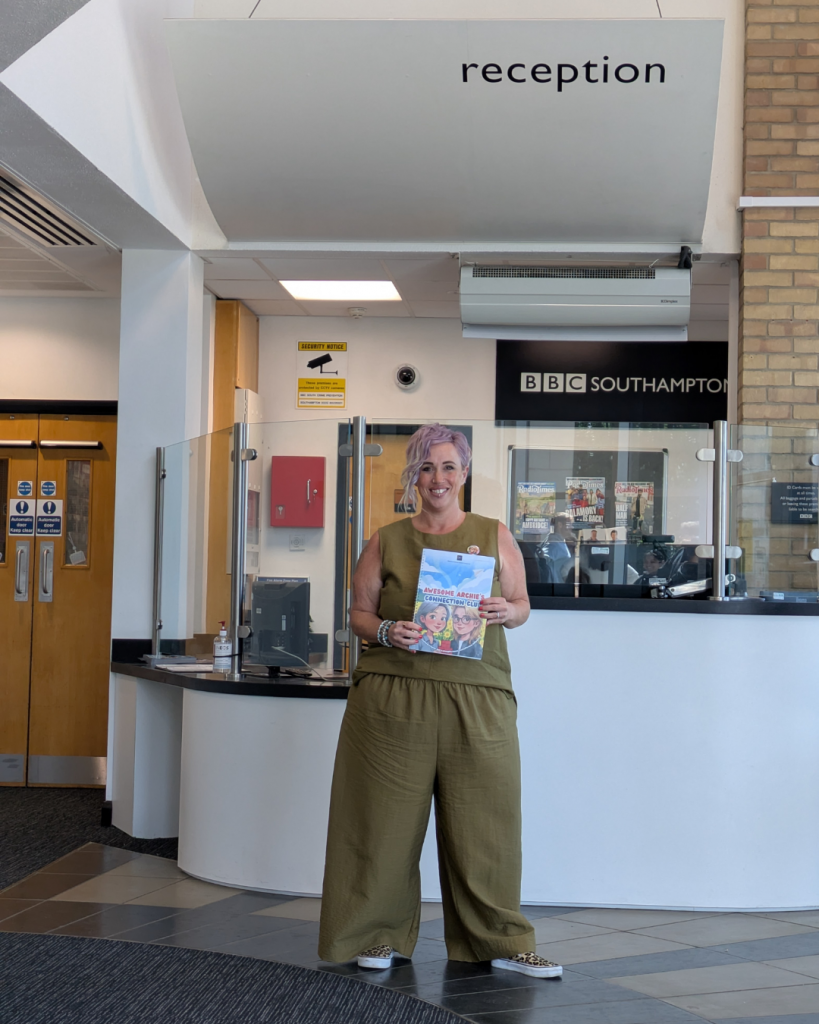
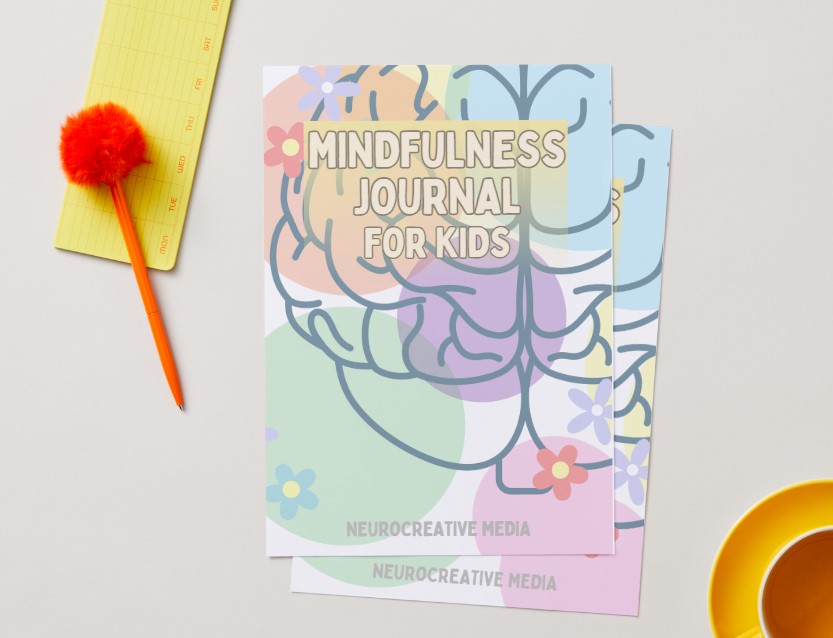
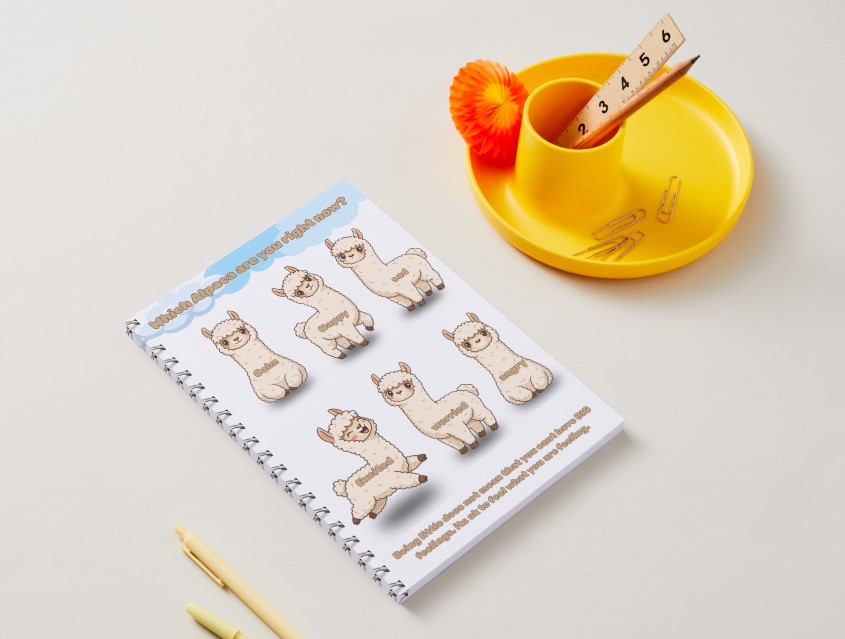
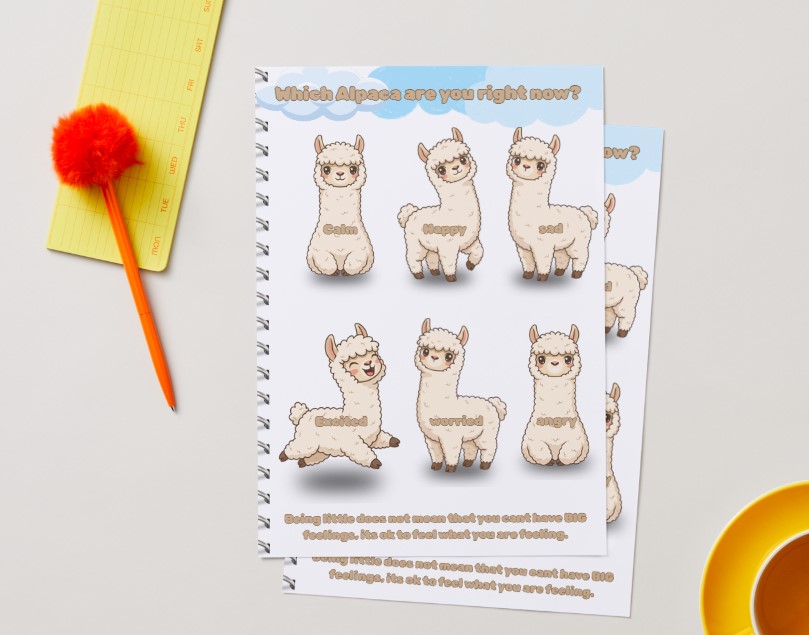
We are SO excited to officially launch our brand-new school program: Awesome Archies Connection Club!
And what better time to announce it than during Autism Awareness, Acceptance and Celebration Month — a time dedicated not just to understanding neurodivergence, but truly embracing and celebrating it.
So… what is Awesome Archies Connection Club?
Awesome Archies Connection Club is a lunchtime, school-based program designed to support neurodivergent pupils in building meaningful connections, developing confidence, and feeling genuinely understood.
It’s about creating a safe, inclusive space where pupils can:
Express themselves freely
Build social confidence at their own pace
Explore emotions and communication in a supportive way
Celebrate their unique strengths
Through structured yet flexible sessions, the club blends creativity, communication activities, and connection-building experiences that meet pupils exactly where they are.
Tried, tested… and truly AWESOME
This isn’t just a brand-new idea — it’s a program that’s already been making a huge difference.
We’ve been trialling Awesome Archies Connection Club over the past school year, and the results have been incredible:
Pupils growing in confidence
Stronger peer relationships forming
Increased emotional understanding
A noticeable boost in self-esteem and school engagement
The feedback from both staff and pupils? Let’s just say the word “awesome” came up a lot… 😊
Why it matters for neurodivergent pupils
Traditional schoolplaytimes don’t always meet the needs of neurodivergent pupils — especially when it comes to social connection and emotional expression.
That’s where Awesome Archies Connection Club makes a real difference.
It supports neurodivergent pupils by:
Reducing social pressure and allowing interaction on their terms
Encouraging authentic communication, not forced “norms”
Building confidence through strengths-based activities
Creating a sense of belonging, which is essential for wellbeing
Celebrating differences, rather than trying to “change” them
Because every child deserves to feel seen, valued, and connected — exactly as they are.
More than a program — it’s a celebration
Awesome Archies Connection Club isn’t just about support… it’s about celebration.
Celebrating:
Different ways of thinking
Different ways of communicating
Different ways of experiencing the world
Because neurodiversity isn’t something to be hidden — it’s something to be embraced.
So… Ready to bring Awesome Archies Connection Club to your school/ Club /Organisation?
We’re so proud of what this program has become, and we can’t wait to see it make an impact in even more schools. If you’re looking to create a more inclusive, supportive environment for your pupils, Awesome Archies Connection Club is ready for you.
Available now via the Neurocreative Media website ⬇⬇⬇⬇⬇⬇
If you, like me, are raising a neurodivergent child, then you will have had a moment ( or a few) many parents know all too well. You’re in the supermarket, a café, a playground, or the school gates. Your child might be overwhelmed, stimming, moving differently, talking loudly, or struggling with something that other kids seem to handle easily. And then you feel it!
The looks. The whispers. The pause in someone’s conversation. HORRID!
Whether anyone actually says anything or not, you suddenly feel like you’re being watched, Judged and evaluated. You might find yourself thinking:
What do they think of my child? Do they think I’m a bad parent? Do they think my child is just naughty?
And in that moment, it can feel incredibly uncomfortable, sometimes embarrassing and always exhausting. But here’s something super important for you to remember:
Your child’s right to exist freely in the world should ALWAYS matter more than a stranger’s opinion.
I know its easier said than done so I thought I’d share some psychological reasons as to why so many people seem to struggle with this and explore why we care so much about public perception—and how we can start letting it go. We need to , FOR OUR KIDS!
Why Do We Care So Much About What Strangers Think?
Many parents feel guilty for worrying about public opinion, but it’s actually a very human response. There are deep emotional reasons behind it. Firstly, we carry our own childhood experiences. For you, raising a neurodivergent child may brings up memories of your own childhood.
Maybe you were told you were:
too loud
too sensitive
too emotional
lazy
difficult
not trying hard enough ( I was told all of these BTW!)
Maybe you were misunderstood by teachers or criticised by adults around you. If you grew up feeling judged or rejected, it can create a strong desire to avoid that same feeling as an adult. So when someone looks disapprovingly at your child, it can trigger something deeper. Suddenly it’s not just about the moment happening now — it’s about old feelings of being criticised, misunderstood, or feeling not good enough yourself.
Modern parenting also comes with a huge amount of unwanted and unneeded public scrutiny.
People often assume that a child’s behaviour is a direct reflection of their parenting. So if a child struggles in public, the immediate assumption from outsiders can be:
“That child needs discipline.” “That parent can’t control their child.” “They should be stricter.”
What people rarely consider is that behaviour comes from communication, overwhelm, sensory processing, anxiety, or neurodivergence. None of which are your child’s or your fault! But when society pushes the idea that “good parents raise well-behaved children,” it’s easy to internalise that pressure.
Often I think worrying about public opinion actually comes from love. Parents worry that if their child stands out, they might face bullying, exclusion, misunderstanding and unfair labels so you sometimes try to minimise children in public spaces.
Years ago I did it myself, I asked our child to stop stimming, sit still, stay quiet, or behave in ways that feel more socially acceptable. PLEASE DON’T, I REGRET IT ,THEY DON’T DESERVE IT, THEY ARE AWESOME AS THEY ARE!
The sad truth is that many neurodivergent children spend huge parts of their day already adapting themselves to try to fit into a world designed for neurotypical people. They deserve spaces where they can simply be themselves without shame or masking and thats our job as parents to provide that! If we seemed ashamed of them, they will feel that, then they have NOWHERE to just be them.
Parenting Can Shake Our Confidence
Parenting a neurodivergent child often involves navigating systems that don’t always understand them.
Parents may face teachers questioning their parenting, professionals dismissing concerns, family members offering unhelpful or inappropriate advice, other parents making assumptions etc etc.
Over time, these experiences slowly chip away at our confidence and when our confidence feels fragile, the opinions of strangers can suddenly feel much bigger than they actually are.
When we as parents feel constantly worried about how others seeour child, it can change how we as families move through the world.
You might find yourself avoiding busy places, leaving situations early, apologising constantly. But neurodivergent children deserve to experience the world too.
When we slowly release the pressure of public approval, it creates more space for children to grow confidently.
How to Stop Letting Public Opinion Control You?
This is a MASSIVE question but here we go 🙂
Firstly, accept that changing your mindset doesn’t happen overnight. But small shifts can make a big difference. Reframe in your mind your childs ” naughtiness” and see it for what it is … COMMUNICATION. They are trying to tell you something so listen.
Remember the stranger staring at your child in the queue knows absolutely nothing about your life. They don’t know your child’s neurological profile, the challenges they face daily, the effort it took just to leave the house, the progress your child has made, the support strategies you already use etc.
Their opinion is based on a few seconds of observation, not real understanding and reminding yourself that makes it far less valuable than it might feel in the moment. THEY DONT MATTER, YOUR CHILD DOES!
When difficult moments happen in public, try asking yourself one simple question:
Who needs my attention more right now — my child or the people watching?
Your child needs support, understanding, and reassurance. The public simply happens to be nearby.
Find Other Parents And Groups Who Understand….like us!
One of the most powerful ways to reduce shame is connection. Thats literally why we do what we do. When you talk to other parents raising neurodivergent children, you quickly realise that many of the experiences you’ve had are shared. Suddenly the things that once felt embarrassing start to feel normal. Community can replace shame with understanding.
But Here’s The Harsh Truth..
There will always be people with opinions. But those opinions do not define your child, your parenting, or your family. When you feel the weight of public judgment creeping in, remember this:
The opinions of strangers should always matter less than your child being free to be themselves.
Because one day your child won’t remember the looks from strangers but they will remember whether they were accepted exactly as they are by their parent!
Mother’s Day is so often painted as a perfect picture. Flowers, breakfast in bed, handmade cards, smiling and content photos on social media and messages about how lucky we are to be mums and for many people, it really is a joyful day.
But for others, it’s alot more complicated and sometimes, like for me this week,it’s just really hard.
The truth is that not everyone can celebrate Mother’s Day in the same way — and that’s completely okay. Being a parent carer is the greatest blessing of my life. The love I have for my children is deeper than anything I could have ever imagined. The kids has shaped who I am, taught me strength I didn’t know I had, and given my life a purpose that goes far beyond the everyday. But being a parent carer is NEVER easy.
When you are raising a child who will always need you, motherhood looks different. The journey isn’t the one people often talk about. You hear the phrase a lot in parenting circles — “you only get 18 summers.” The idea that childhood is short, that eventually children grow up, move out and create lives of their own.
For many parent carers like us, that simply isn’t the reality. Motherhood becomes something lifelong in a very different way. There isn’t an “empty nest” waiting at the end. There isn’t always that gradual independence people expect. Instead, there’s a future that continues to revolve around caring, advocating, protecting and supporting and while that brings so much love and meaning, it also changes the shape of motherhood in ways people don’t always understand.
Mother’s Day can also be difficult for other reasons. Losing my own mum has made the day feel different. She was the person who taught me what love looks like, who guided me through life and helped shape the mother I am today. When someone like that is no longer here, days like Mother’s Day carry a quiet sadness alongside everything else. It becomes a reminder of what’s missing as.
That’s why it’s so important to give yourself grace on days like this. If Mother’s Day feels joyful to you, celebrate it. Embrace it. Enjoy the flowers, the cards, the appreciation. But if it feels complicated, emotional or even painful, you are allowed to step away from it. You don’t have to celebrate it in the way the world tells you to. You can mark the day quietly.
You can spend it remembering someone you love. You can make it a normal day. Or you can ignore it altogether. There is no right or wrong way.
Mother’s Day can also bring unrealistic comparison. Social media can make it look like everyone else is having a perfect day filled with appreciation and happiness. But motherhood isn’t one-size-fits-all. Every motherhood journey is different. Some mums are carers. Some are navigating grief. Some are holding families together through challenges nobody else sees and comparing your journey to someone else’s will only ever make it harder.
Your motherhood story is uniquely yours, and it deserves to be honoured in its own way. Mother’s Day can also be a chance to recognise that “mothering” doesn’t only belong to those with that title. There are so many incredible people who nurture, guide and support others every day. Grandmothers. Step-mums. Aunties. Foster carers. Friends. Teachers. Women or female energies who show up with love, patience and care in ways that change lives.
So if Mother’s Day feels like something you want to celebrate, do it in whatever way feels right for you. And if it doesn’t, that’s okay too. Give yourself the space to feel whatever you feel. Give yourself the grace to do the day your way. Because motherhood — in all its different forms — is something that deserves compassion, understanding and respect every single day of the year.
If you’re new here, hello and welcome! We’re so happy you’ve found us. Whether you’ve discovered us through our books, our school clubs, or our community work, you’re now part of the Awesome Archie family.
So let’s start with the big question…
Who are we? 🤔
Awesome Archie is a non-profit created by me, Rebecca and Archie ( one of my four children) with one simple goal: helping neurodivergent young people feel supported, confident, and understood.
What began as a small idea back in 2020, has grown into something really special. We’ve built a space where children and young people can talk about their feelings, support each other, and learn that it’s okay to ask for help.
Because sometimes the most powerful thing a young person can hear is: “You’re not alone.”
Why we do what we do 💛
We know growing up isn’t always easy. School, friendships, emotions, and life can feel overwhelming sometimes.
That’s why Awesome Archie exists.
We want to help children:
feel heard
feel supported
feel confident being their neurodivergent selves
Everything we create—from our stories to our clubs—is designed to help young people feel a little bit stronger and a lot less alone.
Our books 📚
One of the ways we share our message is through our Awesome Archie KS1 and 2 book series that are donated to schools, clubs and hospitals.
These stories follow Archie through everyday adventures that many children can relate to. Along the way, readers explore emotions, friendships, challenges, and ways to handle tricky situations.
The books are fun, friendly, and full of heart. They help start important conversations in a way that feels safe and easy for children to understand.
And honestly… we love hearing when a child says, “That’s exactly how I feel!”
Supporting our community
Awesome Archie isn’t just about books—it’s about building a supportive community.
We work with families, schools, charities and communities to create spaces where young people feel comfortable talking about what’s going on in their lives.
Sometimes that support comes through lunchtime clubs or activities. Sometimes it’s through conversations. And sometimes it’s simply reminding young people that someone cares by sharing our journey online.
Creating Awesome Archie school clubs
One of our favourite things we do is helping schools create neuroaffirming lunch clubs like ” awesome Archie’s Connection Club. A program that we have been trialing this academic year and that will be available for schools to purchase through our sister company , Neurocreative Media after its official launch in April 2026.
This Program give students a safe and welcoming place to:
chat and connect
build friendships
learn about well being both physically and mentally
support one another
They’re relaxed, fun spaces where kids can talk, laugh, share ideas, and learn that kindness and support really matter.
The power of peer support
We also believe strongly in Autism peer support.
Autistic young people often feel more comfortable opening up to others their own age. When students learn how to support each other, it creates stronger friendships and healthier school environments.
It’s amazing to see what happens when kids realise they can help lift each other up.
Our journey is just beginning
What started with Just Archie and I in our conservatory has grown into something much bigger than we could have ever imagined but the heart of Awesome Archie hasn’t everchanged. It’s still about creating spaces where young people feel safe, supported, and empowered to be themselves.
To everyone who has joined us on this journey—thank you. And to our new readers and followers…
Welcome to Awesome Archie Non Profit. We’re really glad you’re here. 💛
Autism peer support doesn’t have one fixed shape. It isn’t a checklist or a scripted conversation. At its heart, it’s about connection — one neurodivergent-informed human sitting alongside another and saying, “You’re not alone in this.”
Peer support can look like many different things:
A relaxed 15-minute coffee to soften an introduction.
A regular check-in where someone can offload without judgement.
Helping someone prepare for a meeting or appointment.
Talking through sensory overwhelm or burnout.
Sharing strategies that have helped — without insisting they should help.
Simply holding space when someone feels misunderstood.
Sometimes it’s practical. Sometimes it’s emotional. Sometimes it’s just quiet presence.
What I’ve learned is that autism peer support is invaluable because it offers something that traditional services don’t always provide — lived understanding. There’s a difference between professional knowledge and lived insight. When someone feels truly understood without needing to over-explain themselves, walls come down, shame reduces and confidence grows.
Peer support validates experience.
It says: “your struggles make sense, your strengths matter and your neurotype is valid.
But I’ve also learned that the value doesn’t come from having all the answers, thank God for that! .It comes from listening well, staying curious, recognising that even if we share diagnoses or similarities, each person’s experience is uniquely their own.
Autism peer support can:
Reduce isolation
Increase self-advocacy by sharing toolkit
Build confidence
Strengthen emotional regulation
Create safer conversations around identity
Help people feel seen rather than assessed
That’s incredibly powerful!!
Because of how meaningful this work is, I’ve created some free, screenshot-able/ downloadable resources for those of you working in peer support roles. They’re simple, practical visuals designed to support introductions, clarify boundaries, and help build trust from the start. Sometimes having something visual and easy to share can make conversations feel less intimidating and more structured.
Peer support isn’t about “fixing” people, It’s about empowering them!!
And when done with warmth, professionalism, and respect, it truly can be life-changing — for the peer and the support worker alike.
Every child is unique, but our 3rd son Herbie has shown us just how different—and wonderful—communication can be when it’s grounded in understanding, patience, and compassion. Herbie has a diagnosis of Aurism and ADHD and has a PDA profile — a way of being in the world that means everyday demands can feel overwhelming, threatening, or impossible rather than simply annoying or inconvenient.
One of the biggest shifts in our family life has been learning what PDA actually is, and how something as simple as the words we use can make all the difference.
So What is PDA ? How is it for Herbie)?
Pathological Demand Avoidance (PDA) is a profile of autism characterised by extreme resistance to everyday demands and expectations — not because a child is defiant or “chooses not to comply,” but because their nervous system interprets demands as threats. The moment a demand is felt, it can trigger anxiety, overwhelm or shutdown. Even with percieved or silent demands.
Importantly, PDA has nothing to do with wilfulness or lack of discipline from ” weak parenting”. When someone like Herbie with a PDA profile avoids something — even something they genuinely want — their body and nervous system are reacting as if they’re under threat. This isn’t bad behaviour, it’s a nervous system response — a survival instinct, not a choice. ITS PAINFUL for him at times!
Dr Naomi Fisher, a clinical psychologist who works with children and adults with PDA, talks about this extensively. She explains that what looks like avoiding tasks, controlling behaviour, or saying “no” repeatedly is actually a logical response to anxiety. The more a child perceives control or pressure — even indirect pressure — the more their nervous system goes into survival mode, making demands feel intolerable.
In her words, PDA isn’t something to be “fixed”; it’s a profile that needs to be understood. For Herbie, this insight has transformed the way we parent, communicate, and support him.
What is Declarative Language — and Why It Matters
One of the most powerful tools we learned about on our PDA journey is declarative language.
🔹 Imperative language vs Declarative language
Imperative language is directive — it gives instructions, expectations, or demands. For a child with PDA, even gentle-sounding requests can feel like commands demanding compliance: 👉 “Put on your shoes.” 👉 “Time to brush your teeth.” 👉 “You have to get ready for bed now.”
Even when meant kindly, these can trigger anxiety, overwhelm, resistance or shutdown because they feel like pressure to comply.
Declarative language, on the other hand, shares information without asking for compliance. It invites awareness, reflection or choice, but doesn’t carry the psychological “threat” of a demand. Declarative language helps a child feel safe and competent rather than cornered.
📌 Examples of Declarative Language
Here are some real-world examples:
Instead of: “Put your shoes on.” Say: “Your shoes are right there next to the door.”
Instead of: “It’s time to brush your teeth.” Say: “I’m going to brush my teeth now.” (This shares what you are doing rather than telling them what to do.)
Instead of: “We need to leave in five minutes.” Say: “The car will be here in about five minutes.”
Instead of: “Come and get your breakfast.” Say: “Breakfast is on the table.”
Declarative language doesn’t demand anything — it shares something and this subtle shift can reduce pressure and give children like Herbie space to respond on their own terms.
Why This Works
When we use declarative language, we are:
✔ Reducing psychological pressure ✔ Increasing autonomy and safety ✔ Lessening defensive reactions ✔ Supporting regulation of the nervous system
For a child whose nervous system is highly sensitive to perceived demands, this can mean the difference between shutdown and engagement. This isn’t about permissiveness or letting a child “rule the house”; it’s about meeting them where they are neurobiologically.
Dr Naomi Fisher emphasises that behaviours like avoiding demands, withdrawing, negotiating or saying “no” are responses rooted in anxiety and survival, not behaviour that’s chosen or manipulative. When we understand that, everything changes.
What We’ve Learned from Herbie
Herbie has taught us that:
❤️ His resistance isn’t willful — it’s a nervous system response. ❤️ When he feels less pressured, he stays calmer, more engaged, and more willing to participate. ❤️ Using declarative language doesn’t magically make demands disappear — but it reduces the fight-or-flight reaction that used to turn every tiny request into a battle.

We don’t have perfect days. But understanding PDA through the lens of nervous system regulation, and communicating through declarative language, has brought trust, connection, and peace into our home.
Supporting a child with a PDA profile means rethinking what “communication” and “compliance” really mean. It’s not about parental control — it’s about love, connection, safety, and collaboration. When we let go of the notion that our children are being difficult on purpose, space opens up for understanding, confidence, and joy.
If you’re walking a similar path with your child, know this: the words we choose matter — not because they control behaviour, but because they shape experience.
First of all — a huge sorry for the delay in getting this blog out. The last few weeks have been a complete whirlwind BUT in the best possible way. Between events, planning, meetings, and a mountain of behind-the-scenes work, the days have just flown by. It’s been busy, exciting, a little bit chaotic… but totally worth it.
Now that things have settled just enough to catch a breath, it feels like the perfect moment to share everything that’s been happening at team Awesome Archie.
Awesome Archie proudly supports the UHD Charity & the “Do IT for the Kids” Campaign.
One of the biggest highlights recently has been Awesome Archie stepping up to support the brand-new fundraising campaign, “Do IoT for the Kids.” This initiative, created by the brilliant UHD Charity, aims to stock its new children’s ward with sensory toys, artwork and activities to make young people’s experiences more positive. The new unit will be opening in Royal Bournemouth Hospital’s BEACH Building this summer, but additional items are not covered by government funding. We have the “beautiful cake… but now we need the sprinkles” 😉
The official launch was nothing short of magical — a Mad Hatters Tea Party that perfectly captured the creativity and imagination behind the campaign. From colourful decorations to playful themes and smiling faces everywhere, the event set exactly the right tone: fun, inclusive, and full of hope for the future.
Why This Campaign Matters So Much
“Do IT for the Kids” isn’t just another fundraiser — it’s about opening doors. Technology is shaping the world faster than ever, and access to digital tools and learning can make a life-changing difference. By supporting this campaign, we’re not only raising funds; we’re helping build confidence, skills, and futures. Kids need education and play, it’s their lawful right, so we are supporting the fundraising efforts. We aim to help raise £350.000 but we can only do this with YOUR HELP!
We are so PROUD and greatful to be able to support this AWESOME cause!
Alongside all the excitement of events and campaigns, I’ve also been fully immersed in my day job — working as a consultant ( current role is in tech support) for IMROC — and I honestly couldn’t be more grateful. It’s one of those roles that constantly challenges me but i LOVE IT! Every single day brings something new to learn, a new problem to solve, or a new awesome person to connect with.
What I love most is the people that I get to interact with. I’ve had the chance to meet some truly amazing individuals — passionate, driven, and endlessly supportive. There’s something super fulfilling about being able to help others but while being helped too!
I genuinely feel very lucky to be in a position where I’m learning every day while also feeling valued and useful. Not everyone gets to say they enjoy their day job, so I will never take that for granted.
And Lastly- A Week of Just Being Mum 😍
After all the busyness, I’m really looking forward a whole week dedicated to just being a Mum. No big launches, no packed schedules, no rushing around… just slowing down and enjoying the everyday moments.
The plan? Plenty of chilling, movie nights under blankets, maybe a cheeky takeaway or two, and yes — the inevitable cleaning days for me… blurrrggh. But even the boring loo cleaning bits have their place. For me there is so much comfort in our private, gentle routine and a kind of peace in doingnothing with the people who matter most….our awesome kids 🙂
.
And finally, a massive thank you to everyone who continues to support, encourage, and cheer from the sidelines. Whether it’s through kind messages, shares, follows or simply taking the time to read these updates — it truly means more than you know. Here’s to balance, gratitude, and whatever exciting (or relaxing!) weeks come next.
The internet is full of advice about autism, ADHD, and neurodivergence — but let’s be honest, a lot of it is either overwhelming, overly clinical, or completely disconnected from real life.
We are so proud to share our family journey across many platforms however, Archie and I are noticing that there is still a big lack of ” back to basics- quick grab” advice online.
That’s exactly why @neurocreativemedia on Instagram exists.
We created this page to be a back-to-basics hub for autistic, ADHD, and neurodivergent people who want clear, practical, and validating information — without having to decode academic jargon or dig through misinformation.
Think of it as a one-stop shop for quick-fire insights, grounded in both lived experience and never ending academic research.
Why We Launched @ NeuroCreativemedia
Many of us grew up without the language to describe what we were experiencing. We were told we were “too sensitive,” “lazy,” “difficult,” or “not trying hard enough.” A lot of us learned to mask, overperform, and push through — often at the cost of our mental health.
We wanted to create a space that says:
You’re not broken! Your brain isn’t a problem to fix and you deserve information that respects your intelligence and your experience!
@neurocreativemedia is BRAND NEW and is about stripping things back to what actually matters — how neurodivergent brains work, how that shows up day to day, and what genuinely helps.
What You’ll Find on our “fledging” Page
This isn’t about trends or aesthetics (though we do love a good clean graphic). It’s about usable knowledge.
With us you’ll find:
Simple explanations of autism, ADHD, and neurodivergent traits
Posts on masking, burnout, sensory needs, and emotional regulation
Bite-sized advice you can actually remember
Content that validates your experience without pathologising it
Everything we share is shaped by OUR real lived experience, backed up by credible research, and translated into language that doesn’t feel like homework.
No gatekeeping. No “you must experience it this way.” Just information, perspective, and care.
Who This Page Is For
@neurocreativemedia is for:
Late-diagnosed or self-identified autistic and ADHD adults or parents to newly diagnosed kids.
Neurodivergent people who are tired of performing to the masses
Allies who genuinely want to understand better
Anyone who’s ever thought, “Why does life feel harder for me than it seems to be for everyone else?”
You don’t need a diagnosis to belong here. Curiosity, openness, and respect are enough.
Why Following Actually Matters
When you follow and share neurodivergent-led pages, you’re doing more than boosting an account — you’re helping shift the narrative.
You’re supporting autistic voices like mine and my sons. You’re helping accurate information reach people who need it. You’re helping someone feel seen for the first time.
Community care starts with visibility.
Let’s Build This Together
@neurocreativemedia isn’t about talking over the autistic and neurodivergent community — it’s about growing with it.
If you’re looking for:
clarity instead of confusion
validation instead of shame
and information that meets you where you are
We’d love for you to join us. Please do drop us a follow…it would mean the world!
Follow @neurocreativemedia on instagram…link here…
Lately, life has felt super full but in the best possible way. Ridiculously busy, but truly awesome. As I look around at what I’m doing right now, who I’m supporting, who’s supporting me and what we rare all learning, I feel incredibly grateful for this season of my life 🙂
A Dream in Progress: My New Role at IMROC
I recently started a new role as Tech Support and Trainee Trainer at IMROC, and honestly, it feels like a dream has come true. There is no question that the work is hard for me, I have to focus for very long periods of time which is a natural struggle of mine! But, I’m learning as I go, mistakes and all, gaining confidence with each challenge and growing into the role day by day. There’s something really special about being trusted to support others while also being supported myself as I learn. No two days are the same, and that’s exactly what I love about it.
This amazing role combines empathy,patience, and people skills — and I feel lucky to be developing all three in an environment that genuinely values individual growth. It’s not about knowing everything already ( thank goodness) it’s about showing up, learning, and doing your best…. whatever that may look like! I am so thankful to Kellie and Max ( my Trainers) for their unbelievable kindness and understanding and I can’t wait to see how we work together moving forward.
Awesome Archies Connection Club
Alongside “work-work”, my volunteer role with Awesome Archies Connection Club is still going strong — and my heart couldn’t be fuller.
Watching the little club grow and become such a positive and empowering space has been incredibly rewarding. The connections being made, the confidence building, and the joy in the room remind me exactly why this work matters so much. These kids need connection, need empathy and deserve no judgement and that’s what they get from our little club.
I feel incredibly lucky to support such amazing children. Each one brings something unique and it’s a privilege to be part of their learning journey. Volunteering in this way doesn’t feel like “just” volunteering — it feels like purpose, community, and connection all rolled into one. Archie and I LOVE planning our weekly activities and then seeing how the kids enjoy them 🙂
Massive thanks to the Priory school for giving us this opportunity.
This month also brought another moment of pride — being published once again in SEN Magazine.
No matter how many times it happens, it still feels amazing. Each publication brings a mix of excitement, gratitude, and a quiet sense of “wow, we really did that.” Archie and I feel incredibly thankful and privileged to have a platform to share our voice, experiences, and passion within the SEN community.
Being published isn’t something I ever take lightly. It’s a reminder that stories matter, lived experience counts, and that sharing them can make an awesome difference.
When I pause and reflect on all of this — new role, volunteering, and writing — I feel proud, grateful, and hopeful. I’m learning, growing, supporting others, and doing work that truly matters . I still cant quite believe it!
So here’s to continuing to learn as we go, staying thankful, and embracing every opportunity that comes our way …even though its scary sometimes!
People say it like it’s comforting. “We all have the same 24 hours in a day.” But if you have ADHD, that statement can often feel less like reassurance and more like an accusation or suggestion of failer.
I am a proud AuDHDer meaning that my Autistic brain loves order, routine and predictability but my ADHD ( I am predominantly the hyperactive type although I have a spiky profile) means that I crave the dopamine rush of impulsivity and when I decide to “decorate the lounge” I need to do it.. now! It drives my husband to distraction however, generally this combo means that I am quite productive most of the time, often to the point of near burn out…not ideal! However, on some occasions and for many ADHDers, particually if they lean more to the “innattentive” side ( hate that term btw) there are real challenges to get what others may perceive as a small task, even started.
With this neurotype somehow your day disappears. Time slips through your fingers. You sit down to do one small thing and suddenly it’s dark outside, your brain feels fried, and you’re left wondering how you managed to be busy all day and still get pretty much nothing done.
So… why does it feel like that 24 hours move at double speed?
ADHD time isn’t the same as everyone else’s
One of the biggest misunderstandings about ADHD is that it’s ALL about attention. In reality, it’s often about executive function — things like prioritising, starting tasks, switching between them, and sensing time. Neurodivergent related perfectionism is also a brilliant task stopper because if you can’t get the job done to your ideal, you cant start it! SO FRUSTRATING!
ADHD paralysis is also a perfect example of this.
You want to do the thing, you know you need to do the thing, you may even be thinking about the thing constantly because its making you unhappy ( housework or responding to emails are fab examples of this)
And yet… your body won’t move OR it moves regularly by constantly filling that time with literally ANYTHING other than the thing that needs to be done!
That’s not laziness. That’s not a lack of motivation. That’s your nervous system being overwhelmed by too many tasks, too much pressure, or fear of doing it “wrong”. Again, for a perfectionist , not being able to complete a task makes it feel “wrong!”
Alex Partridge talks about this brilliantly in his book Now It All Makes Sense — how ADHD brains can short-circuit when a task feels emotionally or cognitively heavy, even if it looks simple from the outside. So time passes, the clock keeps ticking and you’re stuck in freeze mode, watching the hours disappear.
Please do check out Alex’s books and listen to his podcast ADHD chatter, it’s helped me so much!
Saying “yes” to everyone costs you time you don’t have, so why cant you say no?
The podcast “ADHD chatter” has really helped me to understand this a whole lot better. Rejection Sensitive Dysphoria (RSD) is the intense emotional response to perceived rejection that so many people with ADHD experience. RSD doesn’t just hurt your feelings. It hijacks your decisions. You say yes to things you don’t want to do. You over-explain. You agree to help, attend, fix, support — even when you’re already exhausted and really want to say NO!
You say yes again and again, not because you want to but because no feels dangerous. You are terrified of conflict and truly believe that saying no to that night out with the girls will mean that your friends will hate you.
For someone with RSD, saying no can feel like you’re letting everyone down, you’re being difficult or you’ll be disliked or abandoned.
So you keep being a yes person while forgetting that the only person you are letting down is yourself, because YOU matter and giving everything to everyone else (through fear of rejection) means you are neglecting yourself!!!
Suddenly your already-limited energy and time are being spent on everyone else, while the things you actually need — rest, creativity, basic life admin — get pushed to the bottom of the list. Is it any wonder your day feels shorter than everyone else’s?!
A lot of ADHD time loss doesn’t come from doing nothing — it comes from mentally recovering.
Recovering from masking, from overwhelm, from shame. Recovering from repeatedly beating yourself up for not being able to do things like those around you can.
The ADHD Chatter podcast does a brilliant job of naming this — how much unseen effort goes into just existing with ADHD. When you remember our emotional processing, sensory overload, and constant self-doubting, it’s obvious that your day is packed in ways others never see. You’re not behind, you’re just carrying more than maybe you even realised.
So, what are some gentle ways to support yourself (without fixing yourself, because you are not broken!)
You don’t need to become more disciplined., if anything you need more self compassion and to think about better systems to support yourself. I am an avid list maker…it keeps me on task and I love seeing the small achievements ticked off that then turn into a big job completed.
Maybe you could
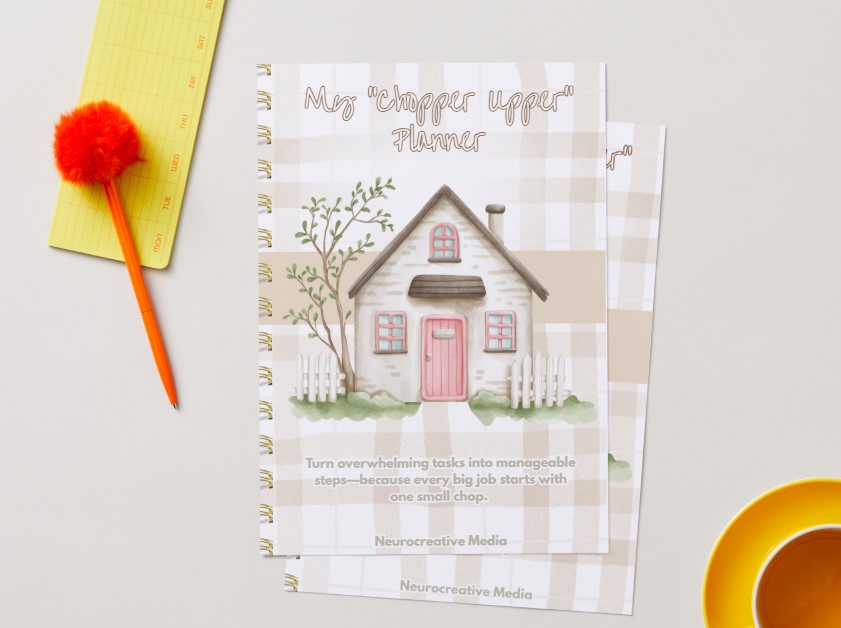
1. Shrink the task until it feels almost silly, Alex talks about crushing the big block of ice into little chips for example…
Instead of “write the email”, try: Open laptop, find email, write one sentence and strangely, momentum often follows action — but that action has to feel safe and doable first.
2. Give yourself permission to say no badly You don’t owe perfect explanations. “No, I can’t this time” is enough. Discomfort doesn’t mean danger — even when RSD tells you it does.
3. Externalise time Timers, alarms, visual clocks, body doubling — ADHD brains struggle to feel time. Make it visible and shared where possible.
4. Build in recovery time like it’s essential (because it is) Rest isn’t a reward for productivity. It’s a requirement for functioning.
5. Learn from ADHD voices, not productivity gurus Resources like ADHD Chatter and Alex Partridge’s books don’t try to turn you into someone else — they help you understand yourself. And understanding reduces shame, which frees up more energy than any planner ever could. The SENDcast is fab for this too!
And remember, your 24 hours aren’t broken…they are uniquely yours.
If your days feel shorter, it’s not because you’re failing at time, it’s because your brain experiences the world differently. You’re navigating paralysis, emotional intensity, people-pleasing, and an invisible workload most people never have to think about. So the next time someone says, “We all have the same 24 hours,” remember:
You’re doing more than they can see, You’re not lazy — you’re overloaded. And you’re allowed to build a life that actually fits the way your brain works.
BUT… Accepting your brain type — diagnosis or not — is the first and most important step. Not fixing it, not fighting it, not trying to force yourself into systems that were never designed for you. Acceptance doesn’t mean giving up; it means finally stopping the war with yourself. When you understand that your brain simply works differently, you can start to let go of the shame, the constant self-criticism, and the exhausting cycle of trying to be like others. From that place, self-love becomes possible, and self-support starts to make sense. You stop asking, “What’s wrong with me?” and start asking, “What do I need?” And that shift — from resistance to acceptance — is where real movement, compassion, and healing begin.